
A little garlic story to get you in the mood.
The Intense Appeal of Roasted Garlic Bread
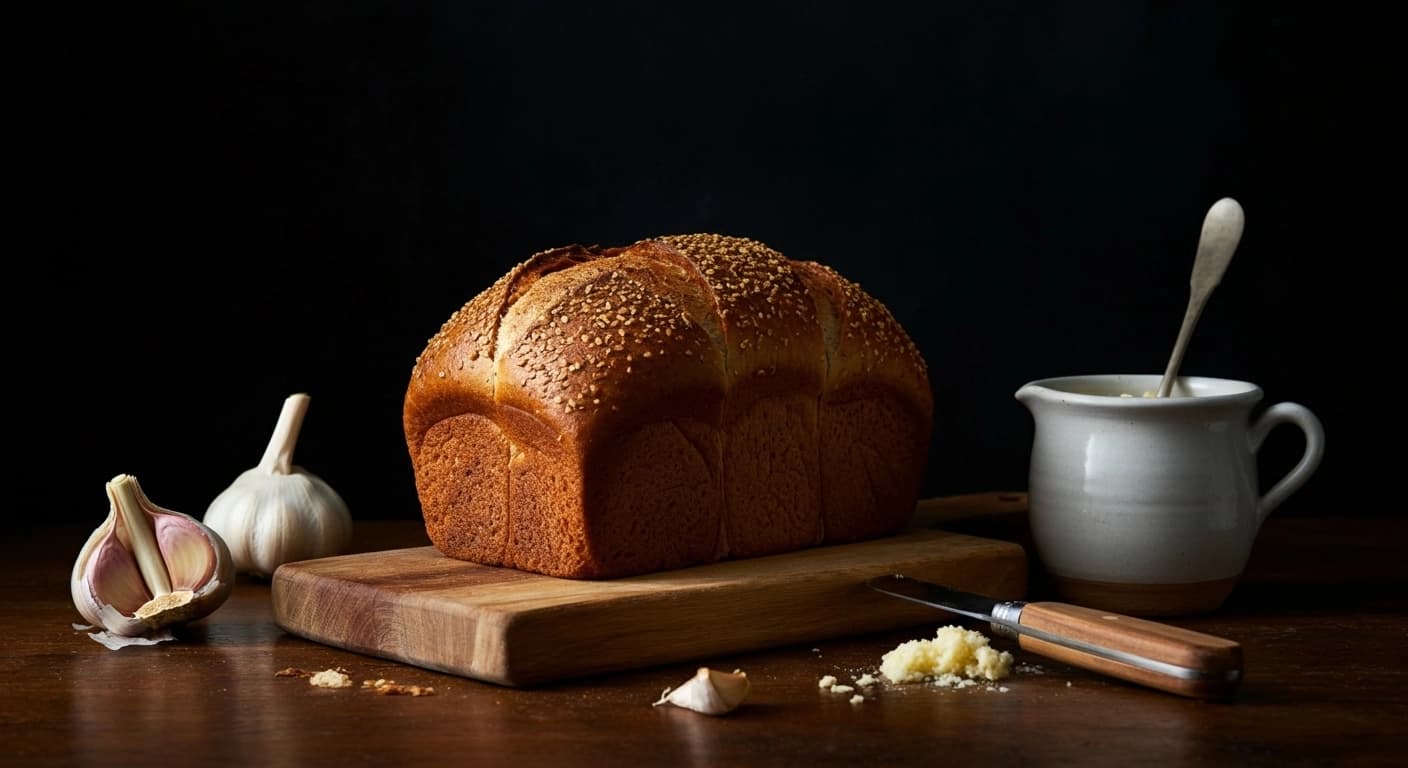
The kitchen is thick with a scent that makes neighbors question their dinner choices. Three massive bulbs of garlic sit on the counter, their papery skins crinkling like ancient parchment under the light. Most people see a garnish. I see a payload. We are about to create a version of roasted garlic bread that challenges the very integrity of the sourdough it sits upon. This is not about a light dusting or a gentle hint of flavor. This is about total saturation, a tactical maneuver involving heavy cream, clarified butter, and enough roasted cloves to render the bread structurally unsound. The goal is a loaf that is more garlic than wheat by the time it exits the oven.
Achieving this level of flavor requires a complete disregard for traditional ratios. Sourdough is the perfect victim for this experiment because of its robust crust and airy interior. The large holes in the crumb act as reservoirs for the golden, caramelized paste we are about to create. When you roast garlic, the sharp bite of the raw bulb transforms into a mellow, sweet, and nutty spread. It loses its aggression and gains a sophisticated depth. This allows us to use massive quantities without overwhelming the palate, though the air in your house will remain a testament to your commitment for at least three days. That is a small price to pay for the ultimate snack.
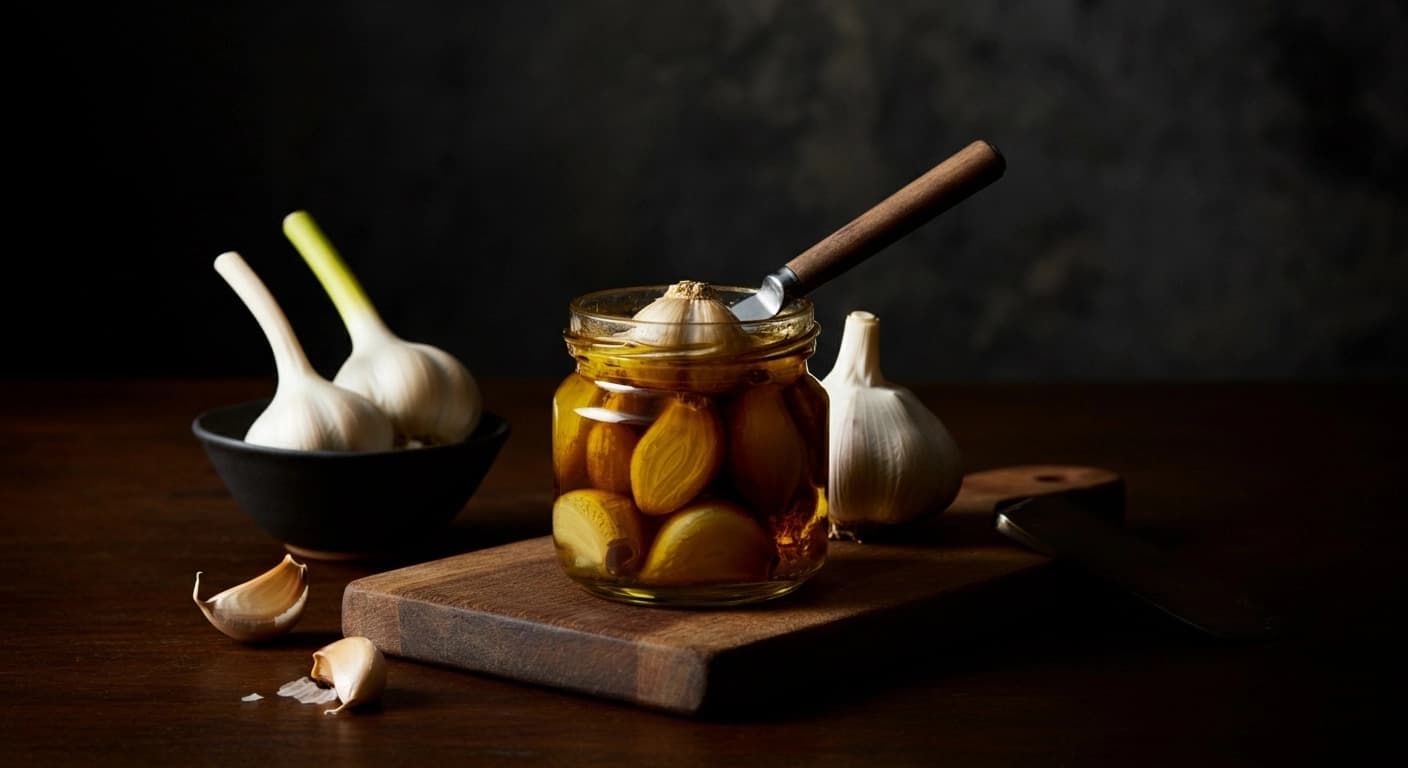
Preparation starts with the heat. A cold oven is a useless oven. We want the cloves to soften slowly in their skins, bathed in a small pool of olive oil and a pinch of coarse sea salt. Wrapping the bulbs in foil creates a mini-sauna where the sugars in the garlic can break down into something magical. The scent will begin to travel through the vents, announcing your intentions to anyone within a fifty-yard radius. You are looking for a texture that resembles room-temperature butter. If you can squeeze the cloves out of their skins with the slightest pressure, you have succeeded. This paste is the foundation of our masterclass.
Mastering the Foundations of Roasted Garlic Bread
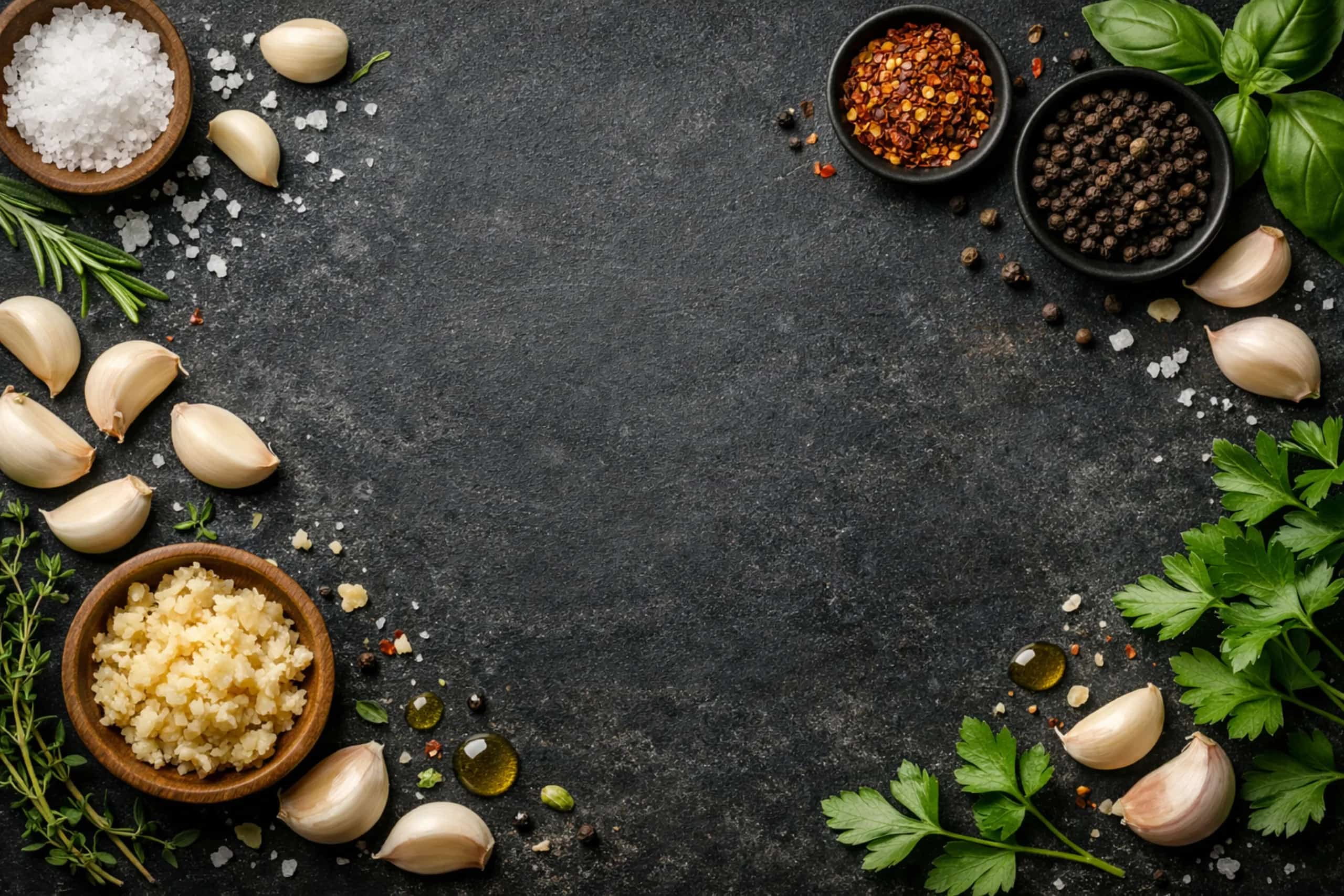
Once the bulbs are soft and golden, the real work begins. We need a medium to carry this flavor into the heart of the sourdough. A high-fat butter is essential here. You want something with a low water content to ensure the bread crisps up instead of becoming a soggy mess. Combine the warm garlic paste with the butter in a large bowl. Add a handful of finely chopped flat-leaf parsley and a heavy dusting of cracked black pepper. Do not be shy with the salt. Garlic thrives on salt, and the sourdough provides a tangy backdrop that needs to be balanced by a confident seasoning profile. The resulting mixture should be a vibrant green and gold sludge of pure aromatic power.
The application of this paste is where many amateurs fail. They spread it on the surface and call it a day. We are going for structural failure. This means deep, diagonal slices into the loaf, nearly all the way to the bottom crust but leaving it intact to act as a hinge. We are turning the bread into a series of accordion pleats. Use a spatula to shove the garlic butter into every single crevice. You want the interior of the loaf to be weeping with the stuff. This ensures that every bite is an explosion of flavor rather than a dry crust followed by a single greasy patch. We are building a monument to the bulb.
As the butter melts into the crumb, it carries the essence of the roasted garlic into every air pocket. The sourdough acts as a sponge, soaking up the fat and the sugars. This process is what leads to the structural compromise we are looking for. The bread should feel heavy, dense, and dangerously fragrant. At this stage, you might think you have gone too far. You have likely used more garlic than a restaurant uses in a week. This is exactly where you need to be. There is no such thing as too much when we are aiming for the top tier of culinary satisfaction. Precision and excess are the two pillars of this recipe.
Sourcing Your Sourdough and Your Cloves
The quality of your raw materials will determine the success of your mission. Do not settle for a generic grocery store loaf that feels like a sponge before you even start. You need a crust that requires a serrated knife and a bit of muscle to penetrate. This hard shell provides the necessary tension to hold the loaf together as the interior turns into a puddle of garlic joy. Look for a sourdough with a visible fermentation profile, characterized by large bubbles and a distinct sour smell. This acidity is the perfect counterpoint to the richness of the roasted cloves. It provides a sharp finish that cuts through the butter.
When it comes to the bulbs, size is a primary factor. Look for garlic that feels heavy for its size. The skin should be tight and white, perhaps with a few purple streaks. If the bulb feels hollow or the cloves are sprouting green stems, put it back. You want fresh, dense heads that are full of natural oils. Each clove should be firm and plump. In this recipe, we are using the volume of the garlic to provide texture as much as flavor. If your cloves are small and shriveled, you will never reach the level of saturation required for true structural failure. We are seeking a massive flavor footprint.
- Select three large heads of hardneck garlic for a standard loaf.
- Use a cultured butter with at least 82 percent fat content.
- Opt for a sourdough loaf that has been baked in a stone oven for a thick crust.
- Always include fresh herbs to brighten the deep, roasted notes.
- Do not skip the final dusting of salt before the bread enters the oven.
The Final Crisp and the Victory Lap
The final bake is a high-stakes moment. We have loaded the bread with so much moisture and fat that it needs a blast of high heat to firm up the exterior. Set your oven to a temperature that would make a baker nervous. Place the loaded loaf on a preheated baking stone or a heavy-duty tray. The bottom of the loaf should sizzle as it makes contact. As the heat penetrates the bread, the garlic paste will begin to bubble and foam, working its way deeper into the crumb. The smell will intensify, reaching a peak that signals the imminent completion of your work. This is the sensory peak of the entire process.
Keep a close eye on the crust. We want a deep mahogany brown, not a blackened char. The tips of the sourdough where the garlic has pooled should look like liquid gold. When you pull it out, the bread will feel slightly soft to the touch due to the sheer volume of saturation, but it will firm up as it rests. Resisting the urge to tear into it immediately is the hardest part of this masterclass. Give it five minutes for the fats to settle. If you try to cut it too soon, the glorious payload will simply run out onto the board. Patience is the final ingredient in achieving the perfect texture.
When you finally break a piece off, the bread should almost give way in your hands. The interior will be translucent with butter and packed with soft, sweet garlic nuggets. The crust will provide a loud, satisfying crunch that echoes through the room. This is the moment of truth where the structural integrity of the bread has finally succumbed to the overwhelming presence of the allium. You are left with a piece of food that is primal, intense, and deeply rewarding. It is a testament to the power of a single ingredient used with total conviction. Forget the side dishes. This bread is the main event. Share it with people you love, or people who also plan on not smelling like a normal human being for the rest of the weekend. This is a bond forged in fire and garlic.